Mofusan: the Spirit of Taste and Surprise

The article
Mofusan
By Morgan de Polignac, Aug 24, 2026A guest, who has since become a friend, offered to write a piece about the experience at Mofusan. Enjoy.
Mofusan: the spirit of taste and surprise
There are restaurants where you go to have dinner. And then there are those where you go to live an experience.
At Mofusan, the experience begins precisely where habit leaves off: in front of a plate whose name and ingredients you do not know. You taste first. You search, you guess, you sometimes get it wrong. Only then does the explanation come.
This is the choice made by Morgan de Polignac, chef and creator of Mofusan: to make surprise a genuine ingredient of his cooking. In the evening, the menu runs to seven courses and changes every week. The principle seems simple, yet it is deeply enjoyable: let yourself be guided, set your preconceptions aside and rediscover, for the length of a meal, a kind of almost childlike curiosity, as you come across combinations you had never imagined.
Cooking that is free, precise and singular
At Mofusan, it would be reductive to speak simply of Asian cooking or of "fusion". Morgan de Polignac's influences are many and unapologetic: his travels, his time in China and Taiwan, his experience of both French and Chinese cooking, but also a constant curiosity about produce, techniques and combinations. The result is a personal kind of cooking, hard to confine to any one category — cooking that seeks less to reproduce than to invent.
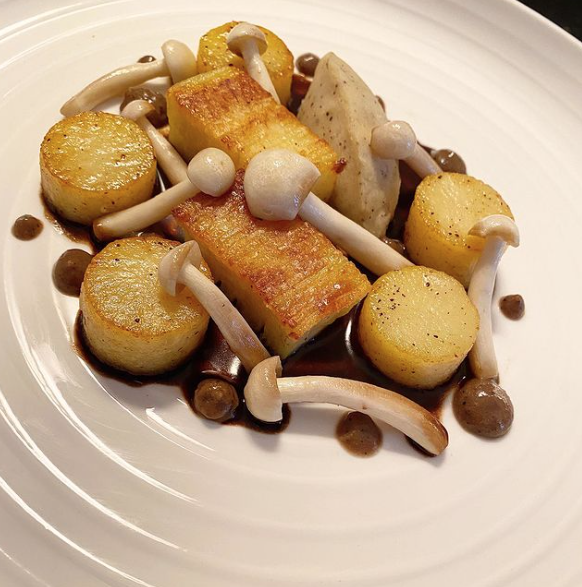
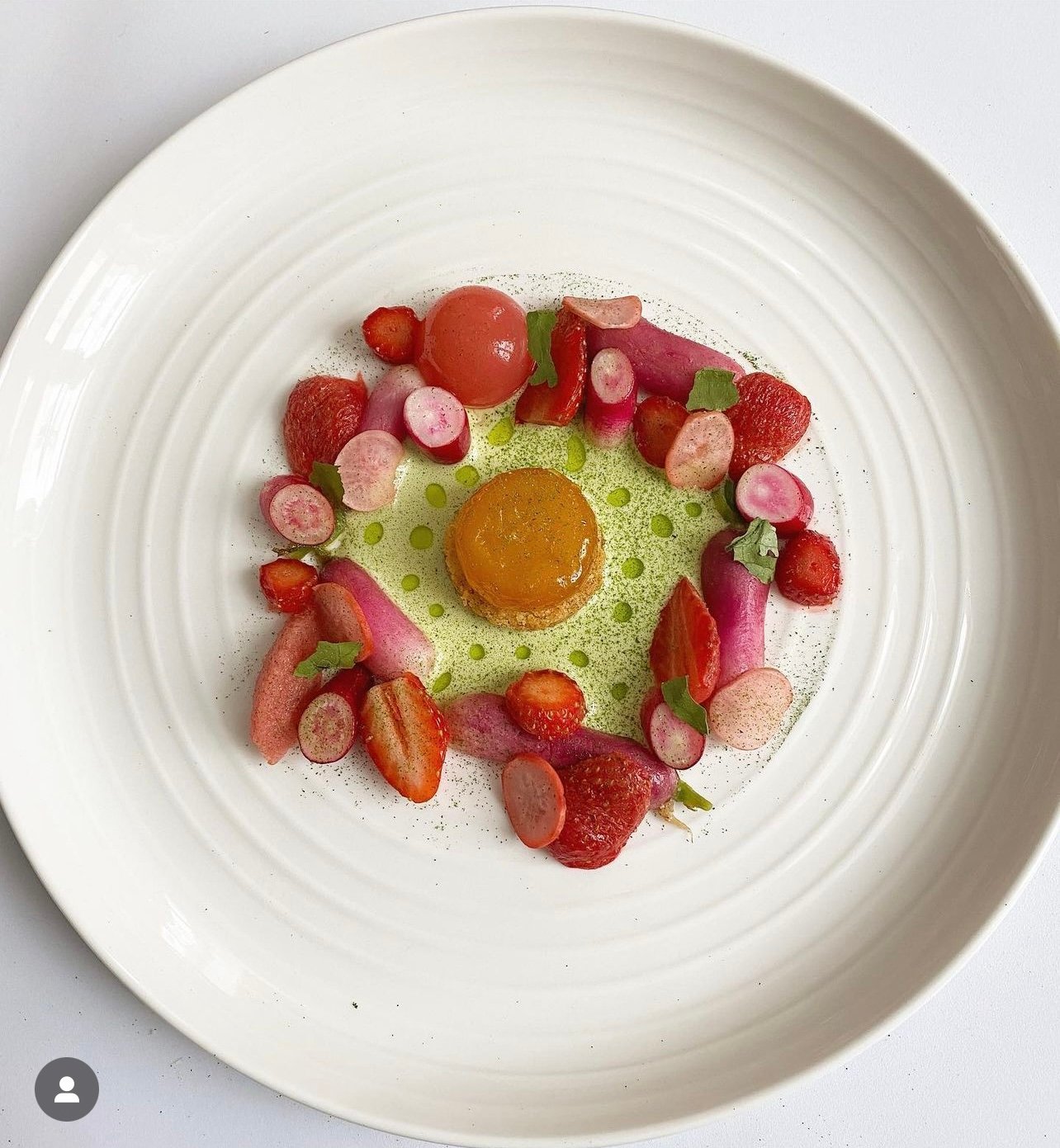
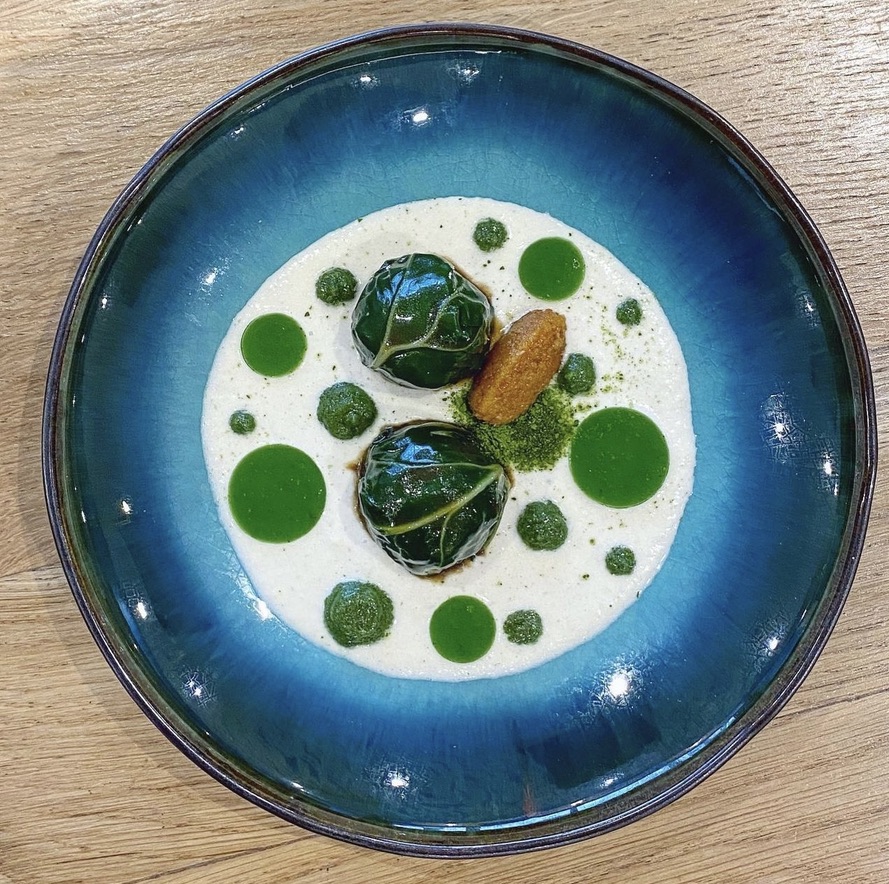
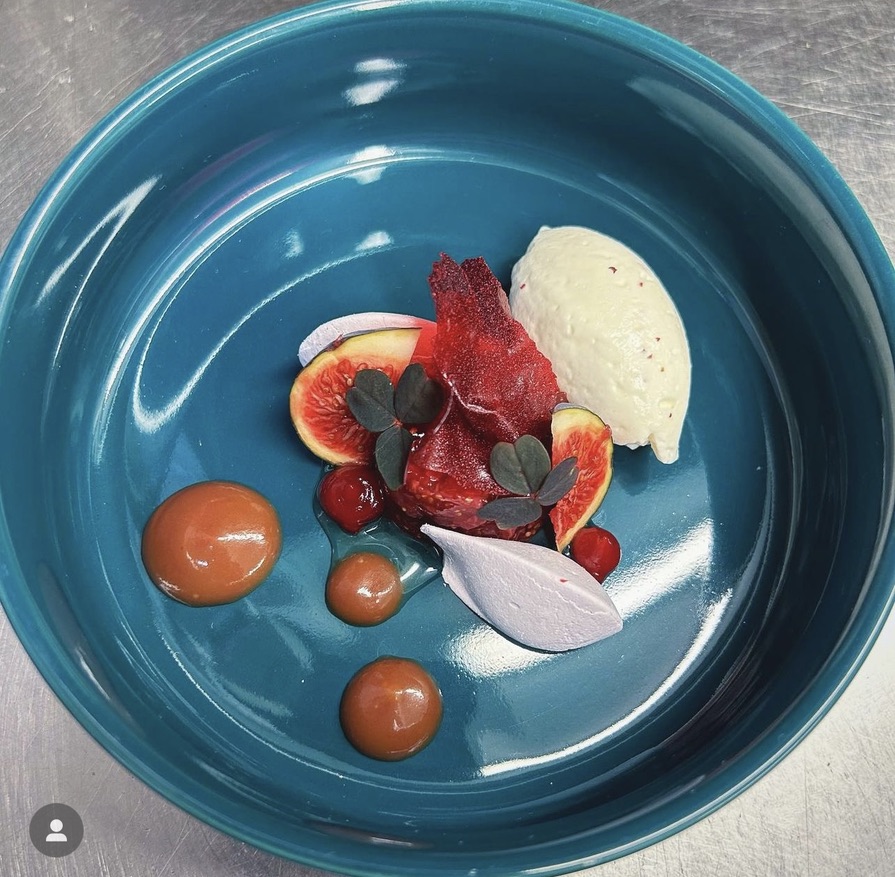
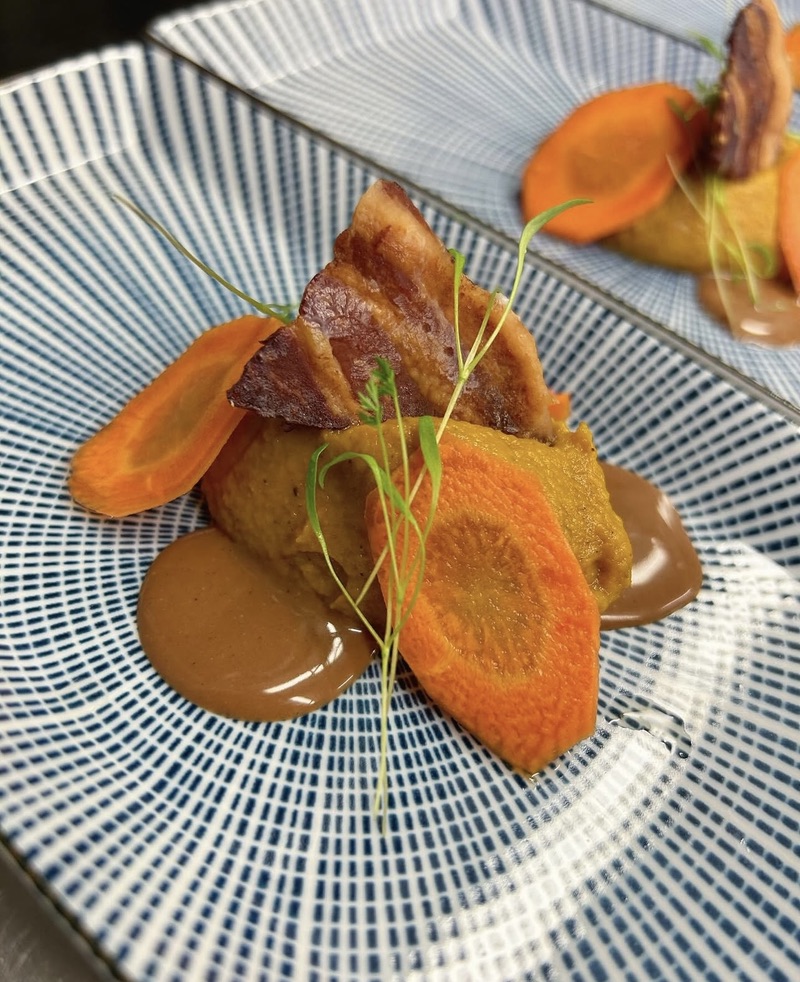
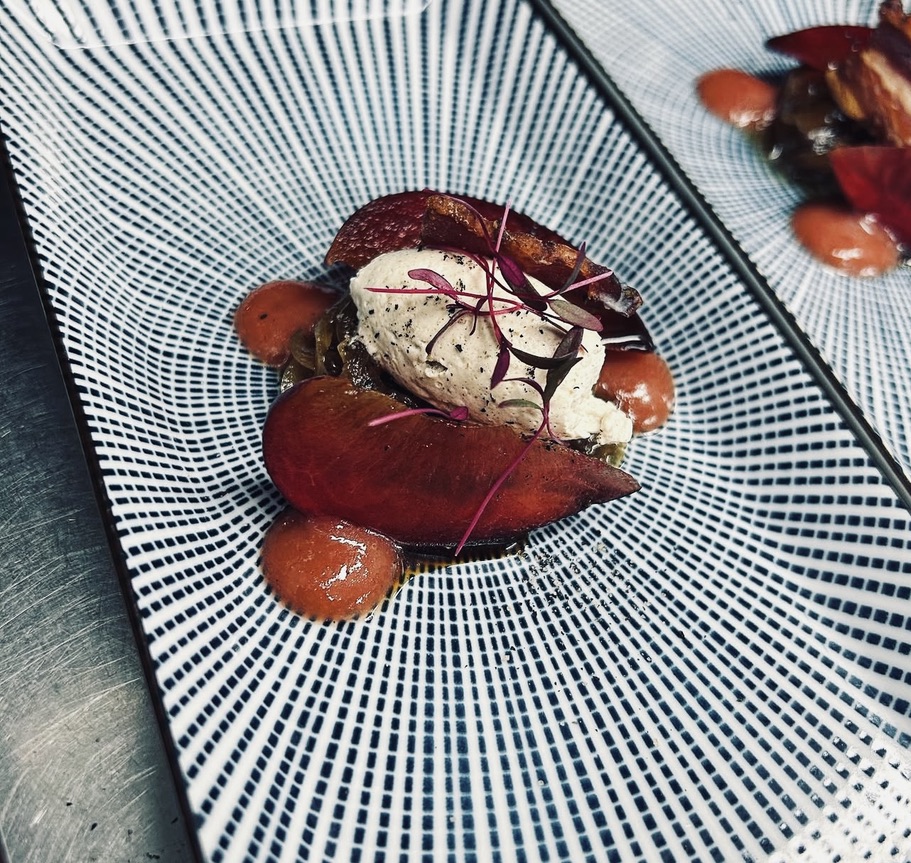
On the plate, the obvious can suddenly turn surprising. A familiar vegetable takes on another dimension through a sauce, a maceration, a spice or a condiment. A pairing you would never have imagined works with disconcerting precision.
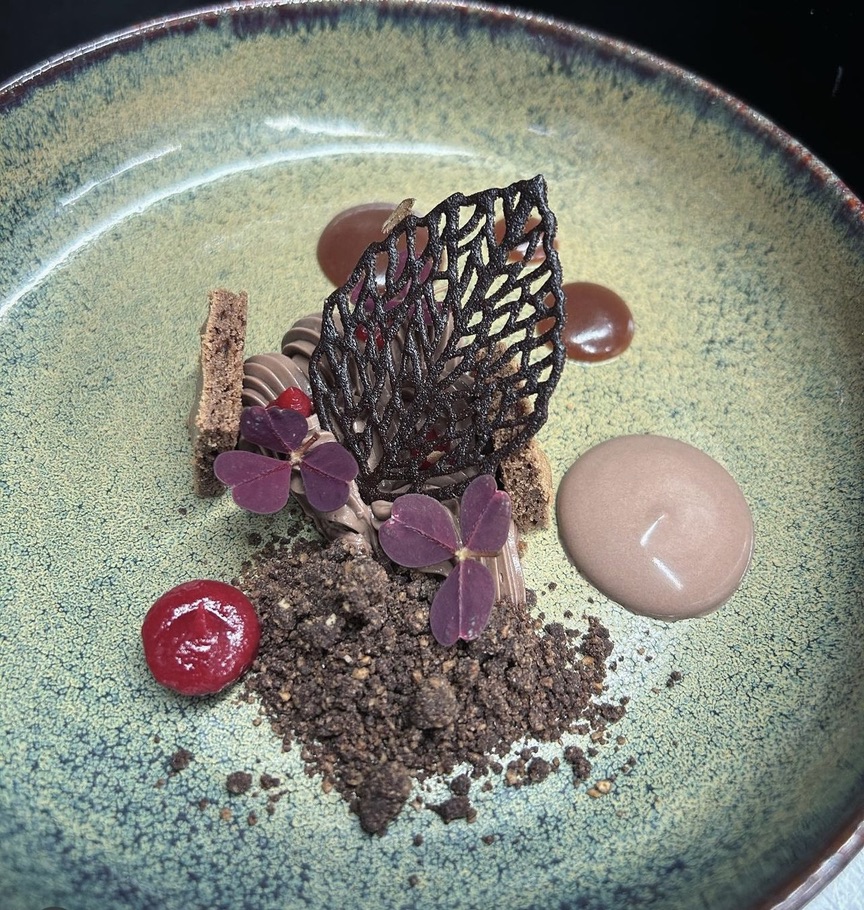
Gault&Millau, in its 2026 edition, noted a braised leek with hazelnut, a pollack served with celeriac and sharp condiments, a skilfully spiced beef chuck, and a dessert of chocolate and smoked tea. Dishes that capture this determination to work the produce while playing with the diner's bearings.
But perhaps the best approach is to come without trying to know.
For one of the particularities of Mofusan is precisely that it lets the palate speak before reason does. Guests often describe the same small pleasure: trying to identify an ingredient, building a theory, then discovering what they have actually just eaten. Reviews speak of a playful experience, of unexpected flavours, of refined yet generous cooking, and of that sense of rediscovering certain ingredients in a new light.
This is cooking that asks more of you than an appetite. It asks you to be curious.
Service as a travelling companion
For the surprise to work, you have to know how to accompany without giving too much away.
That is precisely Maxime's role, front of house. With Morgan, he forms the duo that sets the rhythm of the Mofusan experience. Present, attentive and passionate, he guides guests through their discovery without ever taking away the pleasure of searching. The ingredients and the chef's intentions are revealed after the tasting, once first impressions have had time to find their voice.
This way of receiving guests comes up again and again in what people say: attentive, professional yet relaxed service, warm exchanges, precise advice and the chef's own availability. Several describe the pleasure of seeing Morgan step out of his kitchen to explain a technique, tell the story behind a flavour or share a little of his own path.
Here, then, service is not an interlude between two plates. It is fully part of the story.
You are not simply asked to sit down and wait for the next course. You are invited to take your time, to observe, to taste, to ask questions — and above all to let yourself be surprised.
And in the glass, another way to travel
At Mofusan, discovery does not stop at the edge of the plate.
The drinks are conceived as an extension of the cooking. Wines, sakes, teas, soft drinks and coffees: each is chosen with the same desire to open doors and create correspondences. The restaurant offers food-and-tea and food-and-sake pairings in particular, alongside those built around wine.
Tea, especially, finds an unusual place here. Far from being a mere alcohol-free alternative, it becomes a genuine gastronomic partner. Some guests describe their surprise at the precision of these pairings, each tea underlining, extending or shifting the sensations of the dish.
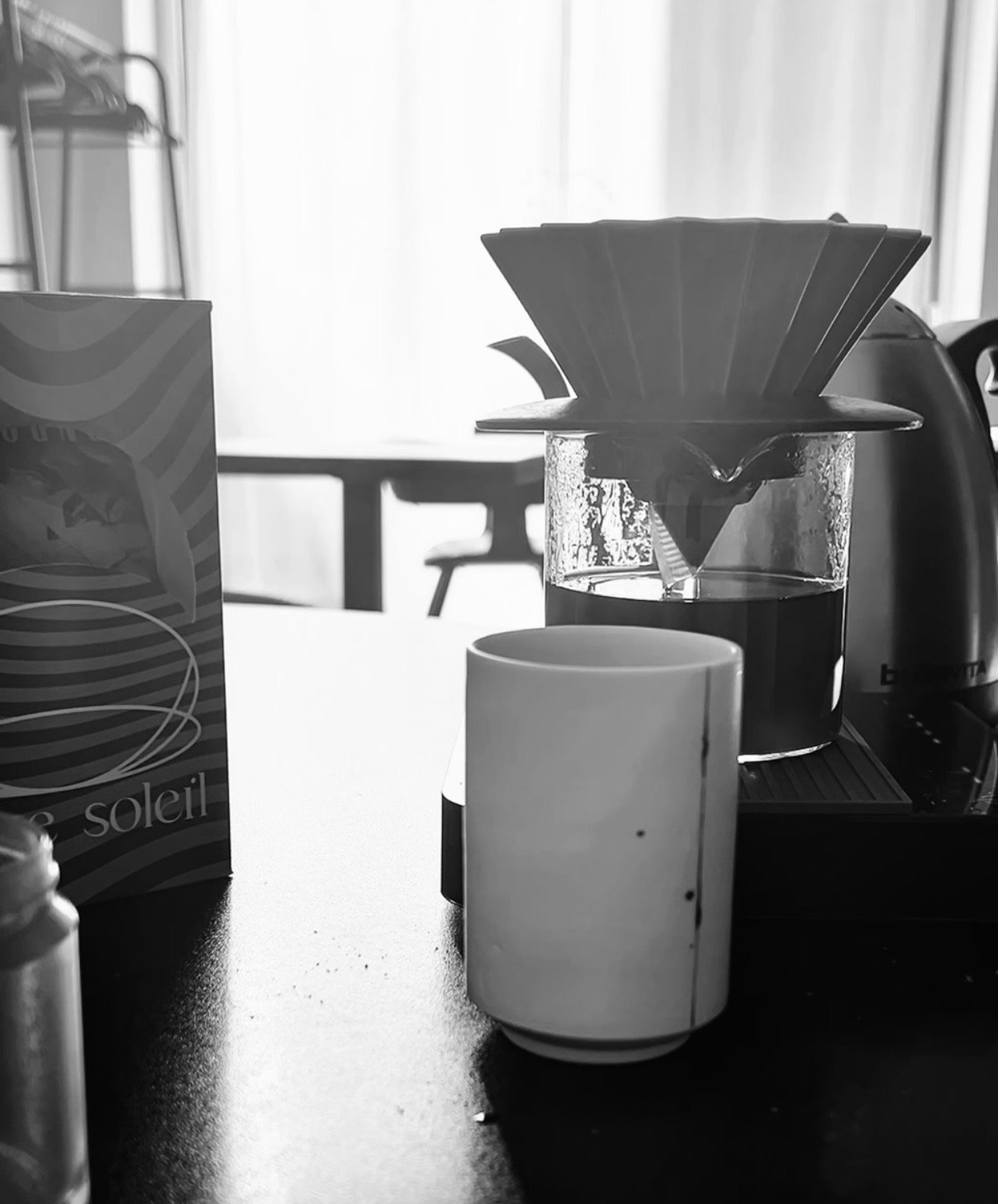
The same goes for the sakes, which can turn up where you least expect them — right down to accompanying a dessert. And to round off the journey, Mofusan takes just as much care over coffee: the house showcases exceptional beans and works with roasters in Lyon, going as far as slow extractions made at the table, which regulars particularly remark upon.
The glass thus becomes a new doorway into discovery.
Taking the time not to know
Perhaps that, in the end, is the spirit of Mofusan: accepting that you do not know.
Not knowing the next dish. Not immediately guessing the ingredient behind a flavour. Not always reaching for the wine you already know, but going towards hidden gems, even if it means being guided. Accepting that a tea can accompany a dish as naturally as a great wine, that a condiment can transform a familiar ingredient, that a plate can tell a story you only understand once you have tasted it.
What guests say often speaks of travel, of surprise, of curiosity, of discovery. Some come back precisely because the menu changes every week: a first experience is never quite repeatable, and perhaps that is what makes you want to start again.
Mofusan is not an address you come to in order to find exactly what you already know.
It is an address you come to in order to discover what you did not yet know you loved.
L. M.
Discover more articles
On the Place of Coffee in a Restaurant
June 15, 2026
—
Mofusan
The French are among the world's biggest coffee drinkers. In a restaurant, coffee may look like an optional afterthought, a matter of tradition at the end of a menu, yet it matters a great deal, because it brings the whole meal to a close. Coming as it generally does after a dessert or something…
A Short Culinary Portrait
June 3, 2026
—
Mofusan
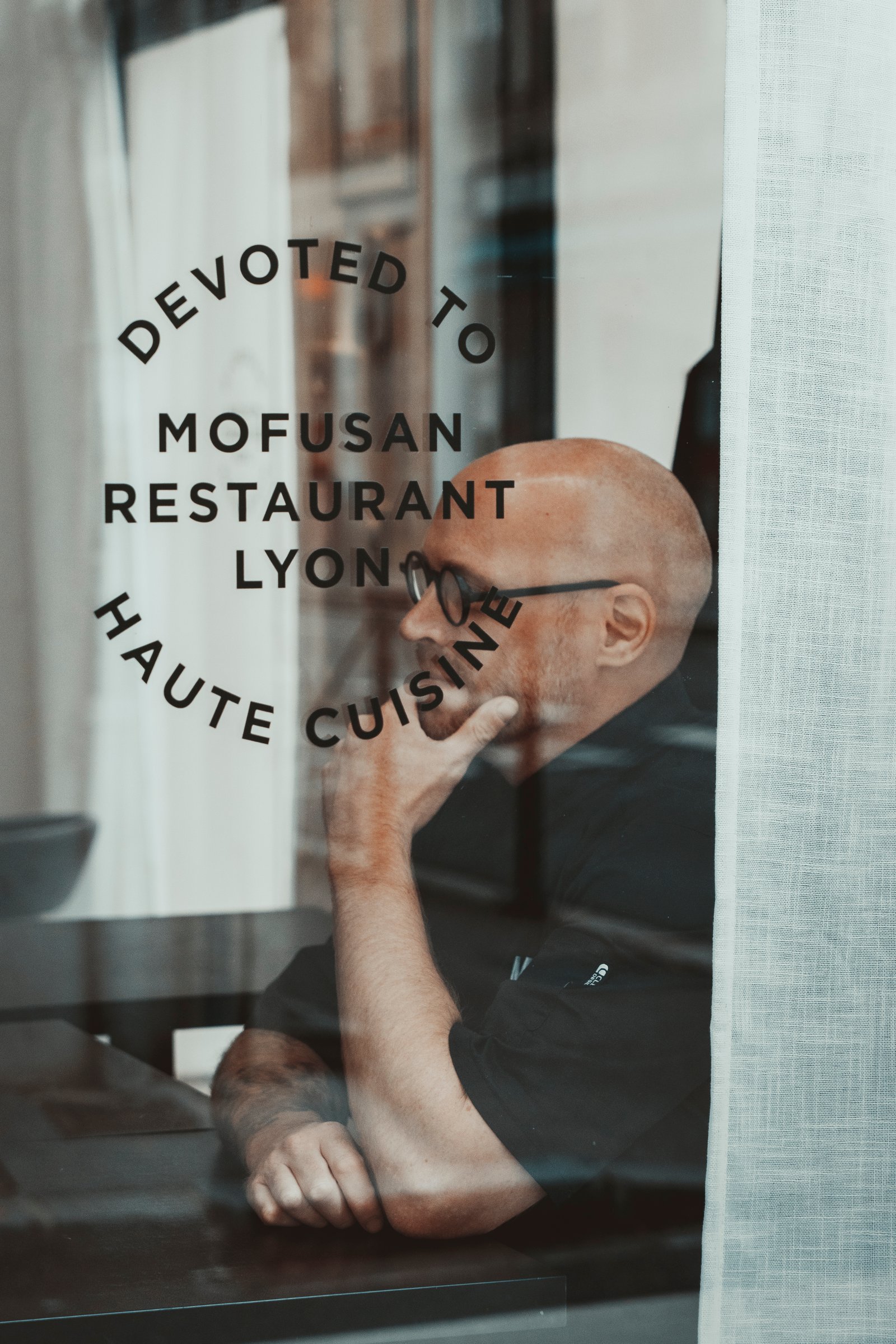
A culinary portrait It is with undisguised pleasure that I play along with this little questionnaire. Your madeleine de Proust: xiaolongbao (Chinese steamed soup dumplings), and praline. A fruit – rambutan, and durian A bottle – huangjiu ("yellow wine"), made by hand in the old way and served warm…